

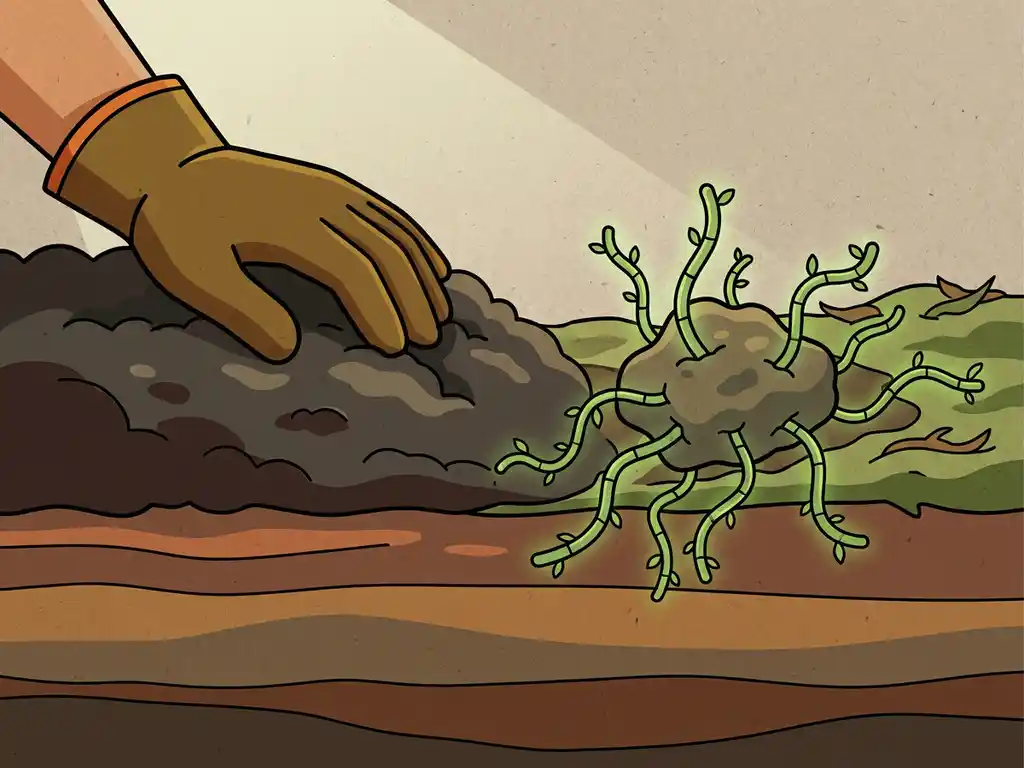
Soil remediation typically takes anywhere from a few months to more than a decade, depending on the contamination type, site conditions, and the remediation method chosen. Excavation-based approaches can clear a site in weeks or months, but biological remediation of persistent contaminants like chlorinated solvents often requires one to several years of active treatment. The sections below break down each factor that shapes the timeline and explain how modern diagnostic tools can help you manage expectations and demonstrate progress.
What factors determine how long soil remediation takes?
The duration of soil remediation is determined by a combination of contaminant type, soil characteristics, depth of contamination, groundwater conditions, and the remediation technology applied. No two sites are identical, which is why timelines vary so widely. Understanding these variables is the first step toward setting a realistic project schedule.
- Contaminant type and concentration: Petroleum hydrocarbons and certain organic compounds break down relatively quickly under the right conditions. Volatile organochlorine compounds (VOCl) such as chlorinated solvents are far more persistent and often require specialized biological or chemical intervention.
- Depth and distribution: Shallow, localized contamination is faster to address. Deep plumes that have migrated into the saturated zone or fractured rock dramatically extend the timeline.
- Soil texture and permeability: Sandy soils allow treatment agents to distribute evenly. Dense clay layers trap contaminants and restrict the movement of injected reagents or microbial cultures, slowing progress.
- Presence of a source zone: If the original source of contamination has not been removed or neutralized, it will continue releasing pollutants into the surrounding soil and groundwater, extending active treatment indefinitely.
- Regulatory target values: Cleanup goals set by authorities such as OVAM under VLAREBO define what concentration levels must be reached before a site is declared clean. Stricter targets require longer treatment periods.
Each of these factors interacts with the others. A highly permeable sandy site with moderate VOCl contamination might be remediated biologically within two to three years, while a clay-rich site with a deep source zone could require a decade of active management.
Get in Touch
Let’s Talk Microbial Solutions
Book a conversation with Stijn, our CEO, or send us your request.
| Book an Appointment | Request Information |
How long does excavation-based soil remediation typically take?
Excavation, or dig-and-dump remediation, is typically the fastest method in terms of on-site duration. Physical removal of contaminated soil can be completed in days to several months, depending on the volume of material and site accessibility. However, the full project timeline, including transport, off-site treatment, and regulatory sign-off, is often longer than it appears.
For small, well-defined contamination zones, excavation can be completed in a matter of weeks. Larger projects involving thousands of cubic meters of contaminated material require more extensive planning, logistics, and disposal capacity, which can stretch the active phase to six months or more.
Despite its speed, excavation is not always the right answer. It becomes technically unfeasible when contamination lies beneath existing structures, when groundwater levels are high, or when the volume of material makes costs prohibitive. In those situations, the apparent speed advantage disappears entirely because excavation simply cannot be executed safely or economically. Site managers dealing with these constraints often find that biological soil remediation offers a more practical path forward.
How long does biological soil remediation take compared to excavation?
Biological soil remediation generally takes longer than excavation, with active treatment phases ranging from one to five years for most contaminated sites. However, it operates in situ, meaning the soil stays in place, which eliminates excavation costs, avoids structural disruption, and is often the only viable option for deep or inaccessible contamination zones.
The comparison between the two methods is not simply about speed. Excavation measures its success in weeks but generates significant costs, waste transport, and site disruption. Biological remediation measures its success in months or years but can be applied where excavation is impossible, costs a fraction of physical removal for large volumes, and leaves the soil structure intact.
For VOCl contamination specifically, biological approaches using specialized microbial consortia capable of reductive dechlorination can achieve complete breakdown of chlorinated solvents into harmless end products. This is a transformation that no amount of excavation can achieve in situ. The timeline depends heavily on the activity level of the indigenous microbial community and whether bioaugmentation with targeted microorganisms is required to accelerate the process.
What is a microcosm test and how does it shorten the remediation timeline?
A microcosm test is a small-scale laboratory experiment that replicates actual site conditions using real soil and groundwater samples from the contaminated site. It is used to determine whether biological degradation of the target contaminant is feasible before committing to a full-scale remediation program. Results are typically available within eight to sixteen weeks.
The test works by placing site material in controlled laboratory vessels and monitoring whether the target contaminants are broken down under conditions that mimic or enhance what would happen in the field. Different treatment scenarios, such as natural attenuation, biostimulation, or bioaugmentation with specialist microbial cultures, can be tested in parallel.
The value of a microcosm test lies in what it prevents. Without this upfront screening, project managers risk investing in a biological remediation program that the site’s soil chemistry or microbiology cannot support. A failed remediation attempt wastes time, money, and regulatory goodwill. By confirming feasibility first, the test compresses the overall project timeline because the chosen approach is validated before field implementation begins. Avecom’s microcosm screening service is specifically designed for this purpose, providing a cost-efficient go or no-go answer for biological treatment of VOCl contamination.
How is remediation progress monitored over time?
Remediation progress is monitored through a combination of chemical analysis of soil and groundwater samples and, increasingly, molecular biological tools that directly measure the presence and activity of the microorganisms responsible for contaminant breakdown. Regular monitoring is both a regulatory requirement and a practical management tool.
Chemical monitoring
Traditional monitoring tracks contaminant concentrations at defined sampling points over time. Declining concentrations confirm that treatment is working. However, chemical data alone cannot explain why concentrations are dropping or predict how much longer the process will take. It is a lagging indicator that tells you what has already happened, not what is currently happening in the microbial community.
Molecular monitoring
Molecular tools such as quantitative PCR (qPCR) and amplicon sequencing allow project teams to directly quantify specific microbial populations in soil and groundwater. For VOCl remediation, this means measuring the abundance of the specific bacteria capable of reductive dechlorination. If those populations are growing and active, degradation is proceeding. If they are absent or suppressed, intervention is needed before more time and money are lost.
This dual approach, chemical and molecular, gives project managers and regulators concrete data at every stage of the process. It supports OVAM reporting requirements and provides the kind of evidence-based progress reporting that satisfies both technical and non-technical stakeholders. Avecom’s molecular monitoring services integrate qPCR and sequencing data into practical site management decisions, reducing the uncertainty that makes long remediation projects so difficult to manage.
When is biological remediation the right choice for a contaminated site?
Biological remediation is the right choice when excavation is technically impossible, economically disproportionate, or when the contamination involves compounds that microorganisms can fully mineralize. It is particularly well-suited to sites with deep groundwater plumes, contamination beneath existing structures, or large volumes of VOCl-contaminated material that would be prohibitively expensive to excavate and dispose of.
The decision to pursue biological remediation should be supported by evidence, not assumption. A microcosm test is the most reliable way to determine whether the site’s specific contaminant profile and soil conditions support biological treatment. Without that data, the choice between methods is essentially a guess.
Biological remediation is also the right choice when the project timeline allows for a phased approach. Sites with development timelines of three to five years, for example, can often achieve regulatory compliance through in situ biological treatment at a fraction of the cost of excavation, provided monitoring demonstrates consistent progress.
If you are managing a contaminated site where classical remediation techniques have not delivered results, or where excavation is not feasible, the team at Avecom brings more than 27 years of expertise in microbial soil decontamination. From initial feasibility screening to full field-scale implementation and OVAM-compliant reporting, Avecom’s biological remediation services are built around the specific challenges of persistent contamination in complex site conditions.
Related Articles
- What fermentation applications exist in the agrochemical industry?
- What causes poor sludge settling in a food industry wastewater plant?
- How do you control filamentous bacteria in activated sludge?
- Can contaminated groundwater be treated at the same time as soil?
- What are the limitations of traditional soil excavation?